
A dog panting with a hard stomach can be alarming for any dog owner. While panting is often a normal response to heat, exercise, or excitement, a firm or swollen abdomen may indicate serious underlying conditions.
Recognizing the combination of these symptoms and knowing what to do can be crucial for your dog’s health and safety.
Table of Contents
Dog Panting and Hard Stomach: Why It Happens
Dog panting with a hard stomach is often a sign of bloat (gastric dilatation-volvulus), a serious and life-threatening condition where the stomach fills with gas and twists, cutting off blood flow. This causes severe discomfort, restlessness, drooling, and rapid breathing or panting.
Other possible causes include gas buildup, constipation, or abdominal pain from issues like pancreatitis or internal injury.
Because bloat can progress quickly and be fatal, it’s important to treat any combination of panting and a firm, swollen belly as an emergency and seek veterinary help immediately.
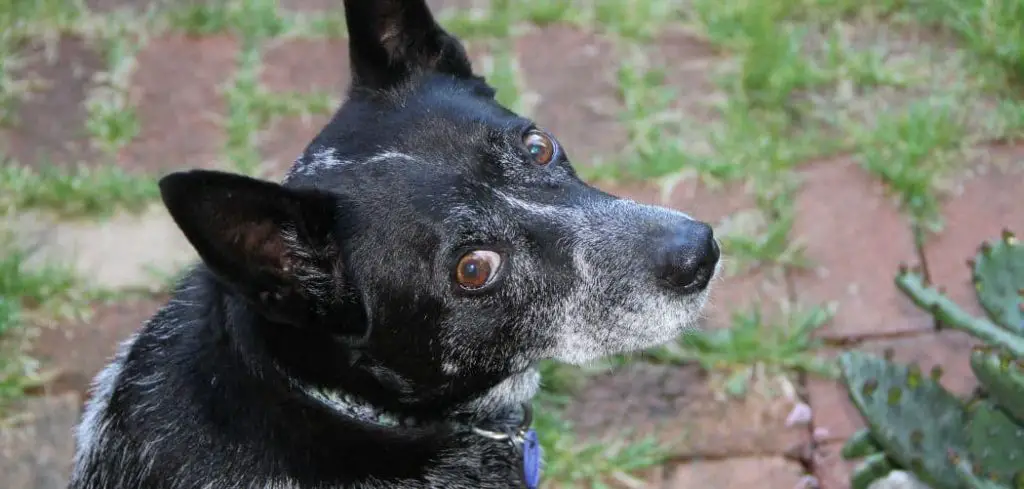
Dog Panting and Hard Stomach: Common Causes
Bloat (Gastric Dilatation-Volvulus)
Bloat, or GDV, is a life-threatening condition where the stomach fills with gas and sometimes twists on itself.
This causes the abdomen to become distended and hard, and the dog may pant excessively due to pain, stress, and reduced blood circulation. Large, deep-chested breeds are particularly at risk.
Signs include restlessness, drooling, retching without vomiting, a distended abdomen, and weakness or collapse.
Bloat is an emergency requiring immediate veterinary intervention. Quick action can mean the difference between life and death.
Read more: Dog panting and not eating (Here’s why)
Constipation or Gastrointestinal Obstruction
Severe constipation or intestinal blockage can cause a firm abdomen and panting. The dog may strain to defecate, display discomfort, or refuse food.
Foreign objects, hairballs, or tumors can block the intestines, creating pressure and pain that leads to panting.
Symptoms include abdominal discomfort, vomiting, decreased appetite, and lethargy. Veterinary evaluation is necessary to determine if medical management or surgery is required.
Ascites (Fluid in the Abdomen)
Fluid accumulation in the abdomen, called ascites, can cause the stomach to feel hard or swollen. It often results from liver disease, heart failure, or certain cancers.
Dogs may pant to compensate for discomfort and reduced oxygen delivery caused by pressure on the diaphragm.
Additional signs may include lethargy, difficulty breathing, weight gain despite no increase in food intake, and swelling in limbs.
Diagnosing the underlying cause is essential, and treatment may involve medications or procedures to remove excess fluid.
Organ Enlargement
Enlargement of organs such as the liver, spleen, or kidneys can lead to a hard abdomen and panting.
This may occur due to infection, cancer, or chronic disease. As internal pressure increases, dogs pant to ease discomfort and maintain adequate oxygenation.
Other signs may include vomiting, lethargy, jaundice, or changes in urination. Veterinary imaging and blood tests are needed to identify the affected organ and determine the appropriate treatment.
Pain or Trauma
Abdominal trauma from accidents or injuries can result in swelling, firmness, and panting due to pain.
Even mild trauma can cause internal bleeding or inflammation, making the dog uncomfortable and restless.
Signs may include whining, reluctance to move, tenderness to touch, and visible bruising. Prompt veterinary assessment is important to rule out internal injuries.
Gas and Digestive Upset
Excessive gas or gastrointestinal irritation can cause temporary hardness in the abdomen and panting.
Dietary indiscretion, sudden changes in food, or food intolerances may lead to discomfort. Dogs may pant to cope with mild pain and bloating.
Symptoms can include burping, flatulence, decreased appetite, and mild lethargy. While minor cases can sometimes be managed at home, persistent or worsening signs require veterinary attention.
Dog Panting, Shivering and Hard Stomach
A dog that is panting, shivering, and has a hard or tense stomach may be experiencing significant abdominal pain and should be assessed immediately.
Possible causes include severe gastrointestinal irritation, constipation, pancreatitis, an intestinal obstruction, or other abdominal conditions.
A hard, swollen abdomen combined with panting and shivering can also occur with gastric dilatation-volvulus (GDV or bloat), a life-threatening emergency in which the stomach becomes distended and may twist.
If the abdomen is rapidly enlarging, the dog is repeatedly trying to vomit without producing anything, is restless, weak, has pale gums, or collapses, seek emergency veterinary care immediately.
Dog Panting, Shaking and Bloated Stomach
Panting, shaking, and a bloated or distended stomach are concerning signs, particularly when they develop suddenly.
Simple gas or overeating can sometimes cause abdominal distension, but more serious problems such as intestinal obstruction, pancreatitis, internal bleeding, or GDV can produce similar symptoms.
Do not wait for the symptoms to resolve if the dog’s abdomen is visibly swollen and the dog appears painful or distressed.
Repeated unproductive retching, excessive drooling, restlessness, weakness, pale gums, difficulty breathing, or collapse requires immediate emergency veterinary treatment.
Old Dog Panting and Hard Stomach
An old dog with panting and a hard or painful stomach should be examined by a veterinarian promptly.
Senior dogs can develop gastrointestinal disease, constipation, pancreatitis, abdominal masses, organ disease, or other conditions that can cause abdominal discomfort and changes in breathing.
If the abdomen suddenly becomes firm or enlarged, particularly with vomiting, retching, weakness, reduced appetite, pale gums, or difficulty breathing, the situation may be an emergency.
Do not assume that abdominal changes are simply part of aging.
When to Call or Visit Your Vet
Immediate veterinary attention is required if your dog shows any of the following:
Severe, sudden abdominal swelling or hardness.
Persistent or excessive panting, especially combined with restlessness.
Retching without vomiting or repeated vomiting.
Weakness, collapse, or signs of shock (pale gums, rapid heartbeat).
Distress, whining, or reluctance to move.
Signs of trauma or suspected ingestion of foreign objects.
Delaying care for serious abdominal issues can be life-threatening. Quick evaluation can save your dog’s life in emergencies such as bloat or internal bleeding.
Read more: Dog throwing up bile and stomach noises (Why it happens)
Dog Panting and Hard Stomach: Treatment
Treatment depends on the underlying cause of the hard or swollen abdomen. The veterinarian may perform an abdominal examination and recommend blood tests and imaging such as X-rays or ultrasound.
Treatment can range from fluids and medication for a gastrointestinal problem to emergency procedures for an obstruction, severe condition, or twisted stomach.
Key Takeaway
Panting combined with a hard stomach can indicate life-threatening emergencies like bloat, obstruction, or organ enlargement, as well as less severe but uncomfortable digestive issues.
Close observation, calm management, and limiting activity are important first steps. Because many causes are serious, prompt veterinary evaluation is critical.
Acting quickly ensures timely diagnosis, appropriate treatment, and the best possible outcome for your dog. Monitoring for subtle changes and seeking veterinary care without delay is essential for your dog’s health and comfort.